01
Survival
The Courage to Start
Recognize opportunity disguised as a problem. Break free from the pack. Take the step most people are too afraid to take.
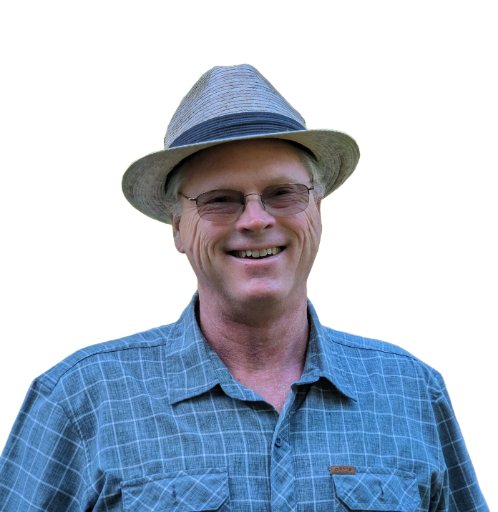
From survival to significance, a mentor-guided framework for building wealth with confidence, purpose, and peace of mind. Written by Dale Flaten, a licensed real estate broker with more than three decades of hands-on experience in the Puget Sound market.
Dale Flaten spent decades proving that wealth isn't built by working harder, it's built by thinking longer. The Four Doors of Wealth is the framework he wishes someone had handed him at 22.
Dale's journey started long before he became a licensed real estate professional. He bought his first house in 1985, a young carpenter who saw potential in what most would call a teardown. He paid $30,000 for it, not realizing he had just opened the first door on his wealth-building journey.
A few years later, in 1988, he started buying rental properties. He became a licensed contractor. He owned and operated a snowmobile and watercraft parts shop. It wasn't until 10 to 15 years after buying that first house that he became a licensed real estate agent, by then, he had already lived the ups and downs of building wealth through real-world experience.
This book is the result of that path, a framework that will challenge your mindset, sharpen your strategy, and expand your definition of success. You don't need to master everything at once. You just need the courage to walk through the first door.
Each door represents a fundamental shift in how you think about and relate to money. These aren't just steps to follow, they're transformations you must undergo to build lasting wealth.
Recognize opportunity disguised as a problem. Break free from the pack. Take the step most people are too afraid to take.
Embrace the loneliness of growth. Trade short-term comfort for long-term freedom. Learn why the wealthy often walk alone.
Shift from doing to thinking. Master the technical, strategic, and philosophical layers that separate wealth-builders from earners.
Move from accumulation to impact. Discover why relevance, not retirement, is the real reward of a life well-built.
Click any chapter to read it in full.
"I want to be the millionaire in holey jeans," I told anyone who would listen. It wasn't just a joke, it was a declaration of independence from everything I'd been taught about wealth. At sixty-three years old, watching my father still obsessively building wealth at eighty-three, I learned that money isn't what most people think it is. It's not about what you have, it's about who you become.
When was the last time you really thought about your relationship with money? Not just your bank balance or investment strategy, but the deep-seated beliefs that drive every financial decision you make?
My father never had his own bed until he was fourteen years old. He built his wealth from nothing, holding every dollar close and treating financial knowledge like a closely guarded secret. My uncle, on the other hand, shared much of what he knew about building wealth freely, opening doors I never knew existed. These two men shaped my understanding of what it means to be wealthy, but more importantly, they helped me realize that wealth is a reflection of character, not just capital. From those two examples, I saw that how you approach money directly impacts the kind of freedom you can create, or miss entirely.
Think about the wealthy people in your life. Which ones inspire you? Which ones make you think, "I never want to be like that"? Your answer reveals more about your path to wealth than you might realize.
"Freedom of worry," I finally answered when asked what wealth really means to me. Not the freedom to buy whatever I want, but the freedom to wake up each morning and choose my challenges rather than have them chosen for me. It's a level of freedom few people ever achieve, not because it's impossible, but because they're climbing the wrong mountain.
Wealth doesn't just fill your wallet, it shapes your worldview. It rewires how you see challenges, how you measure success, and how you choose what matters. What would true financial freedom look like in your life? Not the fantasy of unlimited money, but the reality of having enough that money no longer drives your daily decisions?
Recently, my personal trainer, a man half my age, asked me about building wealth. "You don't look rich," he said, surprised to learn about my success. That's exactly the point. True wealth isn't about looking rich; it's about having the freedom to live life on your terms.
Stop for a moment and consider: what story are you telling yourself about wealth? Is it keeping you safe or keeping you small?
Through decades of building wealth and watching others either succeed or struggle, I've identified four crucial transitions, what I call the Four Doors of Wealth. Each door represents a fundamental shift in how you think about and relate to money. These aren't just steps to follow; they're transformations you must undergo to build lasting wealth.
As my father and uncle showed me, there are different paths to wealth. But the doors remain the same. You must have the courage to open them, the wisdom to learn what's behind them, and the strength to walk through them.
This book isn't about getting rich quick. It's not even about getting rich slowly. It's about transforming your relationship with money so profoundly that wealth becomes a natural outcome rather than an endless pursuit.
Even today, I still pick up pennies off the street, not because I need them, but because I remember when I did. That mindset, of respect, not obsession, still drives my relationship with money. My wife and I travel to exotic locations, but we use credit card points to fly business class when available. We can buy nearly anything we want, but we choose carefully what we need. This isn't about deprivation, it's about having a healthy relationship with money that brings freedom instead of bondage.
As we explore each of the Four Doors, you'll learn not just strategies for building wealth but, more importantly, how to become the kind of person who naturally attracts and maintains wealth. Because here's the truth: the amount of money you have matters far less than what that money means to you.
Are you ready to transform your relationship with money? To build the kind of wealth that brings freedom without obsession and success without the sacrifice of what matters most? Then turn the page, and let's begin your journey through the Four Doors of Wealth. The first door is waiting. Are you ready to step through?
What you'll take away: A clear-eyed look at your current relationship with money and a framework for transforming it, so wealth becomes a natural outcome rather than an endless pursuit.
The late afternoon sun stretched shadows across the sidewalk as I stood, heart pounding, in front of the most putrid-smelling house in Puyallup, a foreclosure notice slapped on the door like a warning sign. Even from the street, the stench of decay made my nose wrinkle. I was twenty-two, just back from helping my dad build his cabin on a lake in Montana and making eight bucks an hour as a carpenter. I wasn't looking to buy a house, I just hoped to get a job cleaning it up for the bank. I had no idea this moment would change everything.
Have you ever stood at the edge of an opportunity, your gut churning with equal parts excitement and terror? Maybe it wasn't a house, perhaps it was a business venture, a career change, or an investment that seemed just out of reach. That feeling in your stomach? It's the price of admission for every meaningful journey to wealth.
"Dale's buying that dump?" The whispers from my peers stung like paper cuts. No one said it out loud, but their tone, the way they looked at me, the way they talked and laughed, carried an unspoken accusation: he thinks he's better than us. I can still hear their voices, thick with judgment and something else, fear. Not fear of me failing, but of me succeeding. Because success would mean their excuses for not trying were just that, excuses.
Take a moment to think about your own circle of friends. How many of them are actively building wealth? How many are just talking about it? More importantly, how many are subtly holding you back?
The judgment didn't just sting, it made me doubt myself. But I couldn't shake the feeling that this wreck of a house had something to teach me. So I picked up the phone.
The owner wanted $20,000 for the house. I went home and picked up the phone, hands shaking slightly as I dialed my father's number, and asked for a $10,000 loan for the down payment. My stomach tightened as I waited for his response. He agreed, but with a catch, I'd pay the same interest rate as a bank. No family discounts.
Imagine yourself in that moment. Would you borrow money from your family to chase an opportunity? What fears are shaping the story you tell yourself about risk, about debt, about what's possible?
For three years, my girlfriend, now my wife (lucky for me), and I battled fleas, hauled out garbage, and discovered the source of that horrific smell: thirty dead cats hidden throughout the house. Her legs were covered in welts from flea bites. The stench seemed permanently embedded in our clothes. But beneath the horror show, I saw something others missed: potential.
Have you ever overlooked something that seemed too messy to matter? What if the very thing that's scaring others away is your doorway to wealth?
"You can't buy junky homes," someone warned me, proudly pouring their energy into a shiny new $80,000 build. "You need something nice." I didn't argue. I just got to work. Years later, they're still in that same house, while that rundown junky place became the first step toward my financial freedom.
Take a moment. Whose advice are you really listening to? The ones who've walked the path, or the ones who just talk about it?
Environment shapes destiny far more powerfully than willpower alone. Just as a plant needs fertile soil to grow, your wealth-building journey requires you to physically position yourself where opportunity exists. When I moved from Montana to Washington state, everyone told me there was no work. But I discovered something crucial: opportunity doesn't announce itself, you have to put yourself in its path.
The most valuable opportunities often appear disguised as problems. While others see obstacles, the wealthy see potential. That decrepit house that made everyone else hold their nose became my foundation for financial freedom. Train your eyes to see past the surface-level problems to the hidden value beneath. Remember, if an opportunity looks perfect, you're probably too late.
Your current peer group may resist your growth the same way gravity resists a rocket breaking through Earth's atmosphere. It's not that they're bad people, they're just comfortable where they are. That's why finding mentors is essential. At twenty-two, I started spending time with people in their forties and fifties who were building wealth, or at least appeared to be. To my friends, it probably looked odd, like I was out of place or trying too hard. But those relationships shaped my financial future more than any investment strategy ever could.
Starting before you're ready isn't just advice, it's a requirement for building wealth. I had no idea how to fully renovate an entire house when I bought my first property. I didn't have all the money I needed. I wasn't prepared by any conventional standard. But I started anyway, and that made all the difference. Perfect timing is a myth; perfect preparation is a trap.
Today's burden often becomes tomorrow's breakthrough. Those endless weekends clearing out garbage, fighting fleas, and learning how to renovate weren't just tasks, they were building my foundation for understanding real estate value. What feels like a burden right now in your life might actually be preparing you for your biggest opportunity. The question is: will you embrace it or avoid it?
These aren't just principles, they're the price of admission through the first door of wealth. Each one requires something from you that most people aren't willing to give. But then again, most people never build real wealth. The choice is yours.
Let me be clear: I'm not suggesting you buy a house full of dead cats. But I am asking you to consider what opportunities you're walking past because they don't match your picture of how wealth should look. Write down three opportunities in your life right now that everyone else is avoiding. They might be ugly. They might be difficult. But they might also be your first door to real wealth.
What's your version of the cat house, messy, overlooked, and bursting with potential? Whatever it is, it's not just a problem. It might be your first real shot at freedom. Remember, the first door isn't about having all the answers. It's about having the courage to step through when others won't. Are you ready to take that step?
What you'll take away: How to train your eye to spot hidden value others miss, how to quiet the noise of peer pressure, and the courage to step through when most people won't.
Nobody ever said, "Dale, we can't hang out anymore." But I could feel it, the slow fade, the way the calls and invites stopped, the way the laughter felt a little more distant. We were just growing in different directions, and the farther I climbed, the lonelier it got.
While most of my friends were spending their weekends relaxing, partying, or buying the latest gadgets, I was thinking about how to buy my next property. I took just about every job I could find, hauling, cleaning, fixing, anything that moved me a step closer to my goals. I spent my weekends working instead of hanging out, and little by little, I found myself with less in common with the people I used to see all the time.
No one really talks about this part of the journey: sometimes, chasing something bigger means growing apart. And that's not easy, but it's part of it. When was the last time you felt like an outsider in your own social circle?
Picture this: I'm in my early twenties, covered in drywall dust, working on what we used to call the cat house. In my spare time, nights, weekends, whenever I wasn't on the clock as a carpenter, I was transforming this once-condemned early 1900s home from the inside out. I drew inspiration from the high-end new construction homes I worked on during the day, adding touches like rounded bullnosed drywall corners and other modern finishes, little by little, as I could afford them. While my friends were showing off their new trucks, weekend toys, and gadgets, I was reinvesting every spare dollar into materials and improvements. My hands were calloused, my clothes were worn, but my vision was crystal clear.
Stop for a moment and consider: Where are you choosing ease over evolution?
I was working at an apartment complex, just doing my thing, when this huge, muscular guy walked up to me out of nowhere. He was on another crew, and he didn't say hi, he just looked me dead in the eye and said, "You're a lazy f---er, aren't you?"
For a second, I thought he wanted to fight. He had a massive frame, prison tattoos, and a stare that made my heart race. I stood up, confused and on edge, and asked, "What are you talking about?" He repeated it: "You're a lazy f---er." I didn't understand what he was doing or why he was saying that, other than trying to pick a fight. I knew I wasn't slacking off or wasting time, let alone being lazy.
Then he added, "I've been watching you. You always find the easy way to get things done." Turns out, it wasn't an insult, it was a compliment. He'd been watching me and saw something most people missed: I wasn't working harder, I was working smarter. What looked like laziness to others was really leverage. And that's what wealth builders do, we look for leverage.
What assumptions are people making about your journey that couldn't be further from the truth?
My uncle taught me about refinancing and leveraging equity when most people my age didn't even own a home. But this knowledge came with a price, it separated me further from my peer group. Every step up the mountain meant leaving someone behind.
Imagine standing at a crossroads: On one path, you keep your comfortable social circle but stay financially stagnant. On the other, you risk isolation but gain the possibility of true wealth. Which path would you choose?
One night, I sat in a tenant's parking lot until 2:30 AM, waiting to confront my first tenant who hadn't paid rent in nearly two months. He had set the time to meet at 8 PM, but never showed. I decided to stay and wait anyway. I wasn't going to allow this tenant to intimidate me. Hours later, he finally pulled in, clearly coming home after the bars closed, and obviously had been drinking. I was in my twenties but looked even younger, and being a landlord at that age meant learning to be tough when everything in me wanted to avoid conflict.
It wasn't easy being seen as a kid, telling someone at least ten years older they had to pay rent, or face the consequences. That night taught me something most people avoid: sometimes, the hardest person to stand up to is yourself.
What difficult conversations are you avoiding right now that could be holding back your financial growth? What conversations would future-you thank you for having right now?
The right kind of loneliness isn't a burden, it's a signal you're on the right path. When I started buying properties in my early twenties, it felt like my friends were starting to distance themselves. There was a quiet murmur that I thought I was better than them. But the truth was, most of my time was spent around older people, friends' parents, established investors, and experienced contractors, because that's where I was learning. I genuinely enjoyed listening to their stories and learning from their experience.
Back in high school, my friends and classmates saw me as the rich kid. I had two 1967 GTO convertibles, two pickups, a snowmobile, and a dirt bike. From the outside, it looked like everything had been handed to me. But in reality, I paid for all of it myself. My parents didn't give me spending money, gas money, or buy me vehicles. What my dad did give me was the opportunity to work for him, whether I liked it or not. And I worked constantly to afford the things I had.
That isolation was my first sign that I was walking a different path. You'll feel this too, that sense of being misunderstood by your peers. But that discomfort isn't telling you to turn back; it's confirming you're moving forward. Your growth may trigger other people's insecurities. I remember someone building their brand-new $80,000 home while criticizing my decision to buy junky investment properties. Yet today, they're still in that same house, while those early investments helped launch my journey to financial freedom.
People who aren't growing will often try to pull you back to their level of comfort. They'll question your choices, mock your ambitions, and try to protect you from what they perceive as risks. But remember: their reaction says more about their fears than it does about your future.
The people you need to meet are usually just one or two levels above where you are now. In my twenties, most of the people I spent time with were 10 to 15 years older than me. I often found myself sitting with my friends' parents, soaking up conversations about investments and business. These weren't just casual chats, they were masterclasses in wealth building.
One of my first big jobs as a self-employed contractor in my mid-twenties was working at a 55+ age-restricted condo complex in Tacoma. At the time, these were some of the most exclusive condos in the area, home to some of the wealthiest people in the city. While working there, I discovered something valuable: many of these residents were willing to open doors once they saw I was serious about learning and improving myself. They didn't hand out favors, but they shared knowledge, gave advice, and connected me with others because they recognized my drive and ambition.
Comfort and growth cannot coexist. When I moved from Montana to Washington in the early-to-mid '80s, nearly everyone warned me there was no work. Interest rates were sky-high, and the construction industry had slowed to a crawl. But when I arrived, I realized the jobs weren't gone, they just weren't going to chase anyone down. The work was there for those willing to show up, hustle, and do what others wouldn't. For three years straight, I worked six days a week without a break, during a time when there supposedly weren't any jobs available. I even sold my dirt bike, giving up weekend rides with friends, just so I could be available for every opportunity to work and make money. That choice wasn't comfortable, but it was necessary for growth.
Your new tribe will find you, but only after you've proven your commitment. Today, I have snowbike riding partners in their thirties who seek me out because of my riding skill level, even though I'm in my sixties. They don't care about my age; they care about my dedication to excellence. When I first showed up to ride with a group I'd never met and much younger than myself, I could see by their tone and comments they were skeptical of my riding skills, until I took them places they couldn't go. That changed everything. The same principle applies to building wealth. Your true peers, the ones who will support you, push you, and help you grow, won't appear until you've shown you're serious. They're not looking for perfection. They're looking for persistence.
There's a profound moment in every wealth builder's journey when they realize they're no longer the same person who started the journey. For me, it was the day I understood that my properties weren't just buildings, headaches, or additional work, they were bridges to a different life.
Think about your own journey. Are you willing to be a temporary outsider? Because that's what this door requires. The climb isn't just about making more money, it's about becoming someone who can handle more wealth responsibly.
Before we move on to Door Three, I want you to do something uncomfortable: Make a list of the financial habits and beliefs that make you fit in with your current social circle. Now ask yourself: Are these the habits of the wealthy person you want to become? This climb is lonely for a reason. Not because you're on the wrong path, but because most people will never take it. Are you ready to embrace the solitary climb?
What you'll take away: Why your growth will trigger other people's insecurities, how to find mentors one or two levels above where you are, and why the temporary discomfort of standing apart is essential for long-term wealth.
"Cut down that fruit tree, and you'll never get any more apples." My uncle's words hit me like a thunderbolt. I was ready to sell all my rental properties that day, frustrated with tenants who didn't care about the homes I'd poured my heart into, worn out from chasing late rent, and overwhelmed by everything that comes with being a landlord.
It all came to a head one afternoon. Fortunately, I was talking it through with my uncle. He listened patiently, then asked me calmly, "What happens when you cut down an apple tree that bears an abundance of fruit?" I paused and said, "You don't get any more apples." That's when it hit me, if I sold everything now, I'd be cutting down the very trees that were just starting to bear fruit. I didn't need to start over. I needed to start learning.
In that simple metaphor, everything changed. It wasn't just about keeping properties, it was about understanding the deeper principles of wealth creation, discipline, and long-term thinking. Have you ever felt like giving up on your wealth-building journey right when things got uncomfortable? This is where most people stop. But it's also where the real education begins.
Sweat dripped from my brow as I worked to level a hundred-year-old house that had sunk six and a half inches from corner to corner. It was my third investment property, and I had planned to turn it into a rental. The house was a large one-bedroom, but I reworked the layout into a small two-bedroom, because a two-bedroom rents for more. It wasn't just a foundation, it was a classroom. Every uneven board and busted pipe was teaching me how to see hidden value. Every repair, every renovation, and every challenge became a lesson, not just in construction, but in building wealth.
What lessons are your current challenges trying to teach you? What if your current frustration is actually your tuition for a breakthrough you haven't yet earned?
"You need wake-up money," I tell my mentees today. Not passive income. Not a fantasy windfall. Wake-up money is income that greets you before your alarm clock does, steady, predictable, and working while you rest. Like refinancing my first property to buy three more, then watching tenants' rent payments slowly build my financial freedom. Each property became a teacher, each problem a lesson.
Take a moment to consider: What assets in your life could become your teachers if you approached them with a student's mindset?
One day, I found myself working at one of Tacoma's most exclusive condo communities, repairing dry rot in many of the units owned by some of the city's wealthiest residents. It could've been just another job, but I paid attention. I didn't just learn construction techniques; I listened to conversations, observed how people carried themselves, and picked up insights most others would overlook. These weren't handouts, they were glimpses into how wealth thinks, moves, and makes decisions.
Many of the residents were retired. Interestingly, the ones with true wealth were often the friendliest and most down-to-earth. Then there were others who seemed to carry a fake-it-till-you-make-it persona, they were usually the rudest and least cordial.
One resident, however, stood out, and we became great friends. His name was Swan. Yes, like the bird. He was a big supporter of mine and always spoke highly of my carpentry skills. He had a charming habit: he'd go to the bank and get rolls of Susan B. Anthony silver dollars, and every time he saw a small child, he'd give one away. He'd always ask the parent's permission first, then hand the child a coin with a smile. When he met my two daughters, he gave each of them a coin, too. Swan never paid me more than I charged him, but he opened doors for me. He introduced me to the right people, and those introductions led to new opportunities I wouldn't have found on my own. What Swan gave me wasn't just friendship, it was perspective. He reminded me that generosity and connection are often the clearest signs of true wealth. I've always thought, when I grow up, I want to be like Swan.
How many learning opportunities are you missing because they're disguised as ordinary work?
As I studied wealth, I discovered three distinct levels of learning.
My first major wealth lesson came through refinancing. This wasn't just about pulling equity from one property to buy others. It was about understanding leverage, timing, and the psychology of debt. My wife was terrified of the higher payments, but I had learned to see beyond the immediate numbers to the long-term potential. What financial fears are holding you back from your next level of wealth education?
While others focused solely on their jobs, I was learning multiple lessons at once. Every rental property became a case study in human nature, market dynamics, and the psychology of wealth. When our first child was born, I realized that the rental income I'd built could replace my wife's salary, allowing her to stay home for an entire year. That experience taught us something powerful, and we did the same when our second child was born, this time still maintaining positive cash flow.
Are you limiting yourself to learning in just one area, or are you seeing the wealth lessons in every aspect of your life?
My father came from nothing, he didn't even have his own bed until he was fourteen. That shaped the way he thought about money in ways I'm only now beginning to fully understand. He taught me invaluable lessons about hard work and led by example when it came to building wealth. But more than that, it was his relationship with money that left a lasting impression. I've come to realize that wealth has just as much to do with psychology as it does with dollars.
Here's an example. At age sixty-three, I found myself hesitating to spend money on a personal trainer, even though I could easily afford it. The sessions were $60 each, twice a week, a tiny fraction of my net worth. Still, I resisted. And then it hit me: I wasn't actually debating the cost of fitness, I was confronting old, inherited beliefs about worthiness and spending. This is the deeper education that building wealth demands. It's not just about learning to make money, it's about learning to think differently about money.
I see this identity show up often, like in tenants who couldn't make rent but had coins scattered across their driveway. It's the Struggler mindset: always feeling poor, even when income increases. I've seen people making six figures still living paycheck to paycheck, convinced there's never quite enough. They remain perpetually stretched thin, not because they lack money, but because they've never learned to manage it differently.
The Struggler lives in a constant state of anxiety around money, which ironically leads to poor financial decisions. They avoid looking at their bank accounts. They miss investment opportunities because they feel too expensive. And they make emotional purchases just to feel abundant, only to regret them later. The real tragedy isn't their financial situation, it's the cycle of scarcity thinking they're trapped in. Over time, that mindset becomes self-fulfilling.
My father exemplifies this identity. Growing up without a bed until he was fourteen shaped him into someone who learned how to make money, but never how to enjoy it. The Accumulator is highly skilled at building wealth, yet lives in constant fear of losing it. They're like a dragon hoarding gold: successful at gathering it, but unable, or unwilling, to use it for what truly matters.
I see this often in wealthy property owners who live far below their means, not out of wisdom, but out of fear. They might have millions in the bank, yet agonize over spending $50 on dinner. From the outside, it can look like financial wisdom. They appear disciplined, strategic, even admirable. But there's a critical difference between being good with money and being afraid of it. The Accumulator misses opportunities, not because they can't afford them, but because they can't stomach the emotional risk of putting their money to work. They're climbing a mountain with no peak, always chasing more security, but never feeling secure enough to stop and enjoy the view.
This is the identity I've been working to cultivate, someone who sees money as a tool, not a master. The Steward approaches wealth the way a gardener tends a garden: nurturing growth, enjoying the fruits, and always planning for future seasons, without being consumed by them. I catch glimpses of this identity when I use credit card points to book a business-class flight to explore the French Polynesian islands of Tahiti, Mo'orea, and Bora Bora, balancing financial responsibility with life's pleasures.
The Steward understands that wealth isn't just about accumulation, it's about allocation. They're not afraid to spend money on personal training at sixty-three, because they know investing in health is just as important as investing in property. What sets the Steward apart is a balanced relationship with money. They respect it without fearing it, grow it without worshiping it, and use it without wasting it. A Steward can pick up a dime from the street without desperately needing it, drive a VW Jetta instead of a BMW without feeling deprived, and help others build wealth without feeling threatened by their success.
What identity are you operating from right now? More importantly, which one do you want to grow into?
Becoming a Steward doesn't happen overnight. For many, it begins as a transition out of the Struggler or Accumulator mindset. The shift to Stewardship begins with awareness. You start to question the old stories you've believed about money, stories of fear, scarcity, and proving your worth. You begin to ask better questions: What is this money for? How can I use it to create freedom, impact, and joy, not just safety? A Steward doesn't abandon discipline; they deepen it. They continue to grow their wealth, but now with purpose, alignment, and generosity. They understand that money is not the goal, but a tool to build a meaningful life and legacy.
Today, I find myself discussing wealth building with my personal trainer. He's young, eager, and curious, reminding me a lot of myself at that age. But here's what I've learned: you never graduate from being a student of wealth. Every new level brings new lessons. The moment you think you know everything about money is the moment you stop growing it.
Before we move to Door Four, try something different. Instead of making a to-do list, make a to-learn list. What are the three most important things you need to understand about wealth right now, not just facts and figures, but deep principles? Information is everywhere. Transformation is rare. It's not enough to know what wealthy people do, you need to understand how they think. Are you just absorbing information, or are you letting it change your identity? The third door is always open to those willing to learn.
What you'll take away: How to think like wealth builders think (not just do what they do), the "wake-up money" concept that separates true investors from earners, and a framework for turning every setback into tuition for your next breakthrough.
Since turning 61, I've struggled with the idea of retirement. Personally, I wasn't ready to retire. I'm still not. But I felt pressure from the people around me who were retiring, a similar kind of peer pressure to what I felt when I first started buying real estate and building wealth.
My wife and I have reached a level of wealth we never imagined possible, more than enough to retire comfortably. She retired at 60, right at the time our granddaughter was born. She gladly traded a demanding career in IT for the role of grandmother, and she loves it. She was ready. But it wasn't just about leaving work, it was about leaving a role, an identity, a sense of purpose.
So what was my problem? Many of my peers were already retired or making plans to be. But I just wasn't ready, and I didn't know why. Every time we meet with our financial advisor, the conversation comes up: am I ready to start withdrawing retirement funds? Eventually, I brought it up directly. He sat across from me, puzzled. At sixty-three years old, with more wealth than I'd ever dreamed of, he couldn't understand why I was still working. That's when I realized, we were asking the wrong question. It wasn't about retirement. It was about relevance.
When was the last time you thought about what your wealth is really for? Not just what it can buy, but what it can help you become?
"Your lifestyle is not exuberant," my financial advisor noted, almost accusingly. "You could be spending so much more." What he didn't understand was that my goal was never to impress anyone, not with designer clothes, flashy cars, or a display of status. I don't need luxury to feel successful. I just want the freedom to do what I want, when I want.
To me, wealth means I won't have to change my lifestyle when I stop working. In fact, my goal is to have more wealth in retirement than I did while working, not so I can spend it all, but so I don't have to worry. Wealth gives us the power to choose how we spend our time, and who we spend it with. It allows us to support the people we love: taking family vacations with our two daughters and their families, and helping our granddaughter pursue a better education when the time comes. That's the kind of wealth that matters most to us, the kind that creates options, continuity, and peace of mind.
What would you do with your time if money were no longer your primary motivation? What kind of life would you build if freedom, not fear, was driving your decisions?
The hardest truth I've learned about wealth? You can be wealthy and still be struggling. After decades of climbing the mountain, many of us don't know how to stop, myself included. We're so used to the struggle that we keep pushing, even when we've already reached the summit.
It reminds me of snowmobiling. I used to be an aggressive and competitive rider, always chasing the next big challenge. Every spring, we'd ride Mount Baker near Sedro-Woolley, Washington. It's a live volcano with a steam vent near the summit, a point most people consider the top. One day, I was challenged to reach the actual peak. It was dangerous, glaciers, crevasses, unstable terrain, but I went for it. I made it to what I thought was the top, only to realize there was another peak beyond it that couldn't be seen from below. That's wealth. You keep climbing, thinking the goal is the summit, only to find the real value is in knowing when you've gone far enough.
This is where most financial advice falls short. It tells you how to make money, but not how to transition into a meaningful life once you have it. For me, that shift began with a quiet discomfort. I had everything I thought I wanted, security, freedom, options, but something felt off. I wasn't chasing numbers anymore; I was searching for purpose. That transition, the letting go of striving and learning to simply be, isn't easy. The real work, after wealth, is learning how to live a life that feels as good on the inside as it looks on paper.
In this stage, every financial decision feels like it could make or break you. The survival stage isn't just about limited resources, it's about living with constant financial anxiety. You're making decisions based on immediate needs rather than long-term growth. But here's what's crucial to understand: survival isn't just about income. I've seen people earning six figures still operating from a survival mindset, making fear-based decisions that keep them trapped. The key to moving beyond this stage isn't just making more money, it's building the confidence to think beyond your immediate needs.
This is the stage where you've built enough of a foundation to finally start thinking strategically about wealth. For me, it began when my first rental property started generating steady income. When I refinanced my first house to buy three more properties, that was a turning point. You're beginning to see money as a tool, not just a safety net. The challenge at this stage is learning how to balance growth with security. It's easy to get comfortable here because it feels safe. But true wealth requires more than stability, it demands vision.
You've hit your financial goals, the properties, the investments, the cash flow. On paper, it looks like success. But something feels off. I reached this stage when my financial advisor asked why I was still working at sixty-one. Because here's the truth: success without meaning is just numbers in a bank account. This is where many wealthy people get stuck. They've reached the summit but forgot to ask: why did I climb this in the first place? So they keep accumulating, not because it fulfills them, but because it's familiar. The question becomes: now that you've built it, what is it all for?
This is where your wealth becomes a tool for creating meaning and impact. It's no longer about the numbers, it's about what you can do with them. When I use my experience to mentor my personal trainer about real estate investing, that's significance. When my daughters were able to buy their first homes in their twenties because of the wisdom they absorbed growing up, that's significance. At this stage, you're no longer driven by accumulation, but by impact. This is where true financial freedom begins, because you're no longer controlled by money in any way. Not by the fear of losing it, and not by the compulsion to make more.
What stage are you operating from right now? More importantly, what would it take to move to the next level?
At sixty-three, I'm learning what I call the harmonizing phase of wealth. It's like a slow dance, balancing the enjoyment of what you've built with staying engaged enough to keep growing. Harmonizing isn't coasting. It's the art of staying sharp without staying stressed, choosing growth not from pressure, but from joy. When I decided to hire a personal trainer, it wasn't just about fitness. It was about investing in longevity, staying sharp, staying strong, and staying relevant so I can continue to mentor others and lead by example.
"I'm afraid to spend it," I admitted recently while considering a major purchase. "That's why I'm hesitant to stop creating income." That fear isn't really about money, it's about identity. After decades of building wealth, learning to enjoy it requires a complete mental reset. I've spent most of my life using money as a tool, to invest, to build, to create something with a return. So when it comes to spending money on something that doesn't generate income, I hesitate. That's the internal shift I'm working on now: learning to spend not for a return on investment, but for quality of life, for presence, for purpose.
The true test of wealth isn't in what you accumulate, it's in what you're able to pass on to others. When my personal trainer expressed interest in real estate investing, I realized: this is what Door Four is really about. It's not about retiring. It's about becoming the kind of person who can help others navigate their own wealth journey. A few years ago, I started giving a book to all of my first-time buyers, I Will Teach You to Be Rich by Ramit Sethi. It's an excellent resource for building a financial foundation and making intentional choices about money and lifestyle.
True freedom, I've discovered, isn't about having no obligations. It's about choosing your challenges. At my age, I could choose to retire. But instead, I choose to keep helping people buy and sell homes, to mentor new investors, to write, and to share what I've learned, not because I have to, but because it keeps me engaged, relevant, and young at heart.
My sister and I sometimes wonder about our 83-year-old father: what happens to all his unfinished projects when he's gone? It's a question many wealthy people eventually face, what will be left behind when you're no longer here? But maybe the more urgent question is: what if everything you've learned dies with you? Legacy isn't just what you leave behind. It's what you live into the lives of others while you're still here. It's in the stories you tell, the time you give, the people you mentor, and the lessons you pass on. Wealth fades. Projects get abandoned. But a shared lesson, a mindset shift, or a spark of belief in someone else, that can ripple for generations.
Before we conclude this journey through the Four Doors, consider one final question: What's the difference between being wealthy and being significant? Because that's the choice Door Four presents. It's not about stopping the wealth-building journey, it's about transforming it into something deeper. It's about moving from success to significance, from accumulation to impact, from chasing wealth to creating wisdom, from building a net worth to leaving a legacy. Are you ready to move beyond success to significance? The fourth door awaits.
What you'll take away: Why wealth without meaning is just numbers in a bank account, how to identify which stage you're actually operating in, and how to make the transition from success to significance that most financial books never even mention.
Mentorship doesn't start with answers. It starts with someone brave enough to admit they don't know where to begin. That moment reveals something important about mentorship: it's not just about having knowledge to share, it's about creating a space where others feel safe enough to learn. When someone struggles on their path to wealth, what truly holds them back from seeking guidance? More often than not, it isn't lack of access, it's pride, shame, or the fear of being judged.
As a caring mentor, the importance of my role became clear during a recent training session with my personal trainer. Between sets, our conversation drifted into real estate investing. His eyes lit up, not just with curiosity about the mechanics, but about the mindset behind it. In that moment, I realized something important: true mentorship isn't about giving professional advice or telling people what to do. It's about sharing real-world experience, walking alongside someone, and helping them see what's possible. A mentor doesn't just show you how to build wealth. They help you build the mindset required to keep it, grow it, and eventually pass it on.
After decades of building wealth and helping others do the same, I've identified five essential qualities that make someone worth mentoring, not just surface traits, but signs of deep readiness.
"What did your parents teach you about money?" That's always my first question to potential mentees. The answer reveals more than just their financial education, it uncovers their inherited beliefs about wealth, their emotional patterns with money, and their readiness to learn new approaches. What would your answer reveal about your relationship with money?
Every mentor-mentee relationship carries a hidden contract. It's not written, but it's felt. A mentor offers wisdom, but only if the mentee brings honesty, openness, and readiness in return. When someone asks about buying their first investment property, I listen more than I talk. Why? Because becoming a money mentor isn't about dumping information, it's about understanding where someone is stuck. Are they really ready for real estate, or are they running from a deeper financial fear?
My wealth has created an interesting paradox in mentoring. Some people assume I'm too wealthy to relate to their struggles, while others expect me to have all the answers. Both assumptions miss the point: mentorship isn't about replicating someone else's journey, it's about understanding the principles that make any journey possible.
"When I'm with young investors, I feel young again," I admitted recently. This isn't just about energy, it's about maintaining the beginner's mind that made wealth-building possible in the first place. Every mentor needs this reciprocal relationship: while we share wisdom, we receive fresh perspective and enthusiasm. Staying close to curiosity keeps me sharp, and reminds me that mentorship isn't a one-way street. We grow together.
A money mentor must maintain the delicate balance between being approachable and keeping the professional distance that allows for honest feedback. True mentorship success isn't measured by how much money your mentees make, it's measured by how well they can mentor others. When someone I've guided starts helping others navigate their wealth journey, that's when I know the lessons have truly taken root.
Whether you realize it or not, you're part of the mentorship chain. Either you're learning from someone, teaching someone, or, most likely, doing both. What knowledge are you uniquely positioned to share? What lessons have you learned that could light the way for others? You don't need to be a millionaire to be a mentor. You just need to be a few steps ahead, and willing to reach back.
What you'll take away: The first question Dale asks every potential mentee (the answer reveals more than most people realize), how to recognize a true mentor when you meet one, and why you don't need to be a millionaire to mentor others, you just need to be a few steps ahead and willing to reach back.
Most people wait until their thirties or forties to buy their first home. My oldest daughter did it at twenty-one. My younger daughter did it at 27. Not because I handed them a down payment (because I didn't), but because they grew up absorbing the mindset of long-term wealth. When was the last time you thought about the true power of a ten-year head start? Not just in terms of money, but in terms of life options?
"Just because we didn't do everything perfectly doesn't mean doing nothing would've been better," I often tell people who think they've missed their chance. When our second daughter was born, my wife was able to pause her career for a full year and focus entirely on our growing family. We didn't pull that off because we were financial experts, we were in our twenties, still figuring things out. What made it possible were the rental properties we had purchased seven years earlier. That extra income, combined with her maternity leave, gave us the margin we needed to make a life-first decision most people never feel free to consider.
Looking back, my wife still says that year was the greatest benefit of investing early in our marriage. And decades later, those same properties gave her something just as valuable: the confidence to retire early and step into her favorite role yet, being a grandmother. That's the power of thinking in decades instead of years. When you plant seeds early, the harvest shows up at the moments that matter most, not just for you, but for the people you love. What decisions could you make today that would create options, freedom, or even shelter for someone else in the future?
"Five years of appreciation is a tremendous amount of loss," I often tell hesitant investors. When someone can afford to buy a house today but chooses not to, because prices are too high or interest rates are bad, what they often fail to understand is that waiting for perfect conditions can cost far more than buying in today's imperfect ones. Here's the kind of math that keeps people up at night: one house I didn't buy early in my career, because I hesitated, has likely cost me between $700,000 and $1 million in lost opportunity. Not because it was a bad deal, but because I never bought it at all. That's not just a missed house, that's the price of hesitation, compounded over time.
Through decades of investing and mentoring others, I've identified three distinct time horizons that separate successful wealth builders from the rest.
"I took that first house, the cat house, refinanced it, paid off my dad, and used the remaining cash to buy four more properties instead of blowing the funds on short-term gratification," I often say when reflecting on my first major financial decision. While most people my age were focused on the next big purchase, I was focused on building a foundation that would fuel decades of growth and retirement. What financial decisions are you postponing that your future self might regret?
Most people overestimate what they can achieve in one year and vastly underestimate what they can achieve in five years. When I look at properties I hesitated to buy in the past, the appreciation alone would have made the initial struggles worthwhile. What opportunities are you passing up today that might seem like obvious choices five years from now?
The biggest mindset shift successful wealth builders make is moving from "When will this pay off?" to "What doors will this open?" Every property I bought early in my career became a stepping stone to the next opportunity. The real value wasn't in the immediate cash flow, it was in the options each investment created.
Before I make any major financial decision, I ask myself: will my future self thank me for this choice? Not just myself five years from now, but myself twenty years from now? Will this decision create more options or fewer?
Looking back over thirty plus years of investing, I see now that it wasn't the big decisions that made the most impact, it was the small, consistent choices to reinvest rather than spend, to hold rather than sell, to think long-term rather than chase quick profits.
As we close this chapter, do something that might feel uncomfortable: Write down where you want to be financially in twenty years. Not a vague goal like wealthy or comfortable, but specific numbers and assets. Then work backward to what needs to happen in ten years, five years, and this year to make that vision possible. The timeline to wealth is like a movie, not a snapshot. Where you are now is just one scene. You get to decide what happens in the next act. The future is coming whether you plan for it or not. The choice is whether you want to be an architect of that future or merely a visitor in it.
What you'll take away: The "Five-Year Fallacy" that keeps most people stuck, why appreciation alone makes the initial struggles worthwhile, and a practical exercise for writing your 20-year wealth vision, then working backward to what needs to happen this year.
At sixty-three, I'm leading snow bike rides over terrain that makes thirty-year-olds hesitate. That's not a brag, it's a metaphor. Because real wealth isn't about resting at the top. It's about staying in the game, sharp and engaged, year after year. Think about your own journey for a moment. Where do you want to be, not just financially but as a person, in the years ahead?
"I don't feel wealthy," I confided to my financial advisor, even after he showed me the numbers that proved otherwise. That's when I realized that wealth isn't a number, it's a state of being. The real measure isn't how much money you have but how many choices you can make freely.
Looking back on our journey together, each door represents a fundamental transformation that wealth requires. Door One taught us that environment shapes destiny. Door Two showed us the courage of walking alone. Door Three revealed the importance of becoming a student of wealth. Door Four demonstrated the transition from success to significance. But now comes the most important part, your integration of these lessons into a cohesive life strategy.
Here's what most wealth-building books won't tell you: The doors don't close behind you. You don't graduate from one to the next. Instead, you learn to dance between them, understanding which door needs your attention at any given moment. You don't leave one stage behind forever. Sometimes you return to Door One when starting something new, or revisit Door Two when you outgrow your current environment.
If you want to make better wealth decisions in real time, ask yourself these three questions regularly. They work whether you're just starting out or decades into the journey.
Growth without greed means pushing yourself to achieve more while remaining grounded in values, pursuing opportunities aggressively while maintaining ethical standards and never sacrificing integrity for profit. Ambition without attachment looks like my relationship with my rental properties. I care deeply about maintaining them, but I'm not emotionally attached to keeping them forever. This balance allows you to make clear-headed decisions about when to hold and when to sell. Real success doesn't cost you your values. For me, it looked like using rental income to give my wife the freedom to stay home for a year after our second daughter was born. True wealth harmony means your financial success should enhance, rather than diminish, your most important relationships and values.
There's a fifth door I haven't mentioned until now. It's the door that opens when you realize wealth building isn't just about you. It's about impact, not just independence. It's about the impact you can have on others, the wisdom you can share, the paths you can illuminate.
I still look for opportunities others might overlook. If I see change on the street, whether it's a penny or a quarter, I'll pick it up. It's not about the value of the coin, it's about the mindset behind noticing it. I like nice cars, but not the kind that scream status. I don't drive to impress, I drive for reliability, longevity, and value. The last truck I owned lasted me 20 years. I had a VW diesel that logged over 340,000 miles before I sold it. To me, that's what smart money looks like. It's not about appearances, it's about how well something serves your goals over time. I'd rather my wealth show up in the form of freedom, not in what I park in the driveway.
This book isn't the end of your journey, it's the beginning. The Four Doors stand before you, waiting to be opened. But here's the truth: the doors won't open themselves. You have to reach out, turn the handle, and step through. Which door will you open first? The choice is yours, but don't wait. Time is the one resource wealth can't buy back. Twenty years from now, you'll either be grateful you started today or wish you had. This book may be ending, but your legacy is just beginning. The next chapter? You get to write it. The first step is waiting. Take it now.
What you'll take away: The Wealth Harmony Framework (growth without greed, ambition without attachment, success without sacrificing values), five personal questions that reveal your own wealth code, and a clear call to action for the journey ahead.
Whether you're just starting out, deep into your career, or looking to transition from success to significance, this book meets you where you are, and shows you where you can go.
It's not about getting rich quick. It's not even about getting rich slowly. It's about transforming your relationship with money so profoundly that wealth becomes a natural outcome rather than an endless pursuit.
Learn why starting before you feel ready is a requirement for building wealth, and how your first property becomes the foundation for everything else.
Discover how to recognize opportunity others overlook, how to leverage equity intelligently, and how to build wake-up money that works while you rest.
Confront the inherited beliefs about money that are quietly running your financial life, and replace them with the mindset of the wealthy.
Make the transition from accumulation to impact, from building a net worth to leaving a legacy that actually matters.
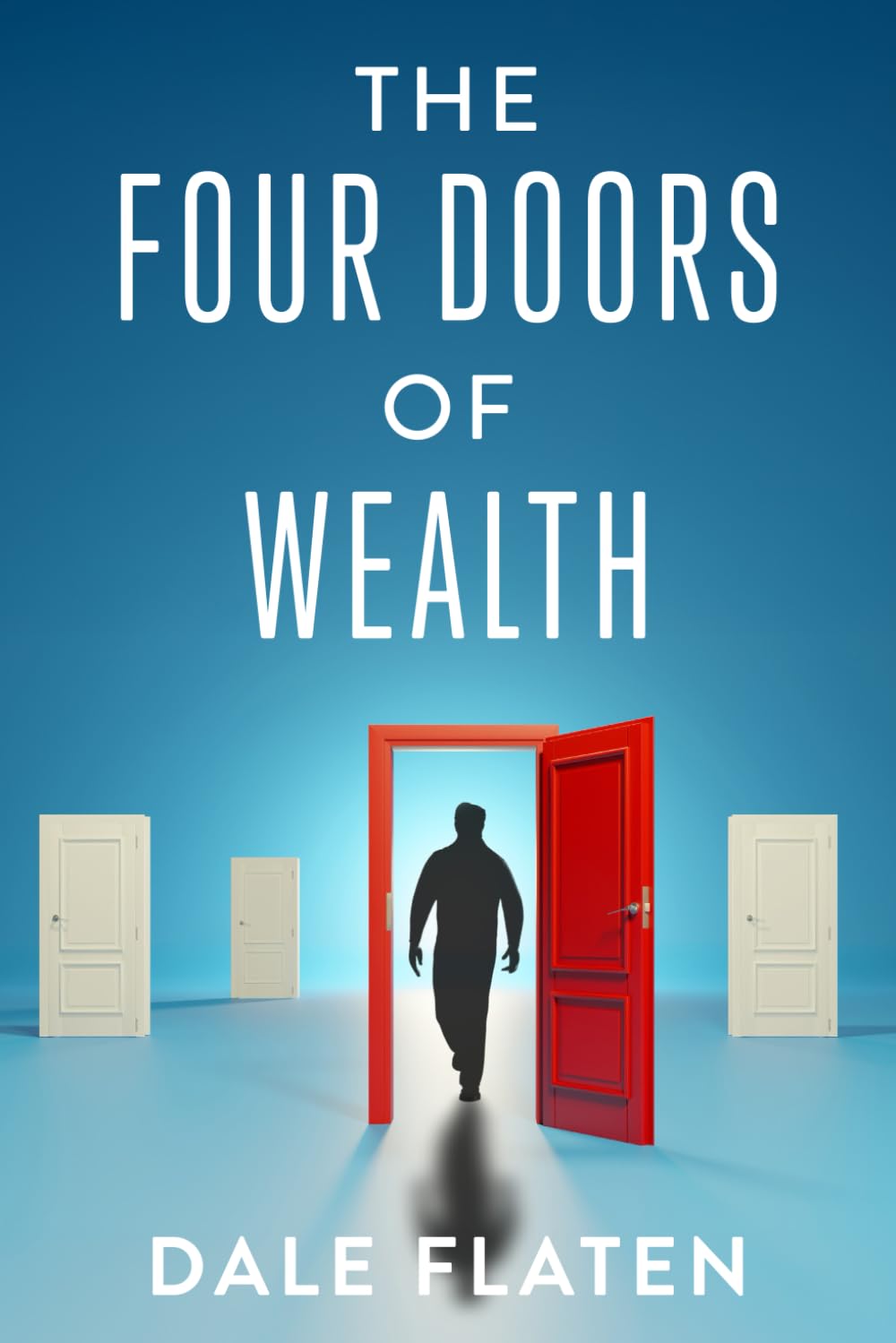
Get your copy of The Four Doors of Wealth: A Money Mentor's Guide, available now on Amazon in paperback.
The Four Doors of Wealth is one of five books in which Dale shares what decades of real-world investing and representation have taught him. Explore the rest of the collection.
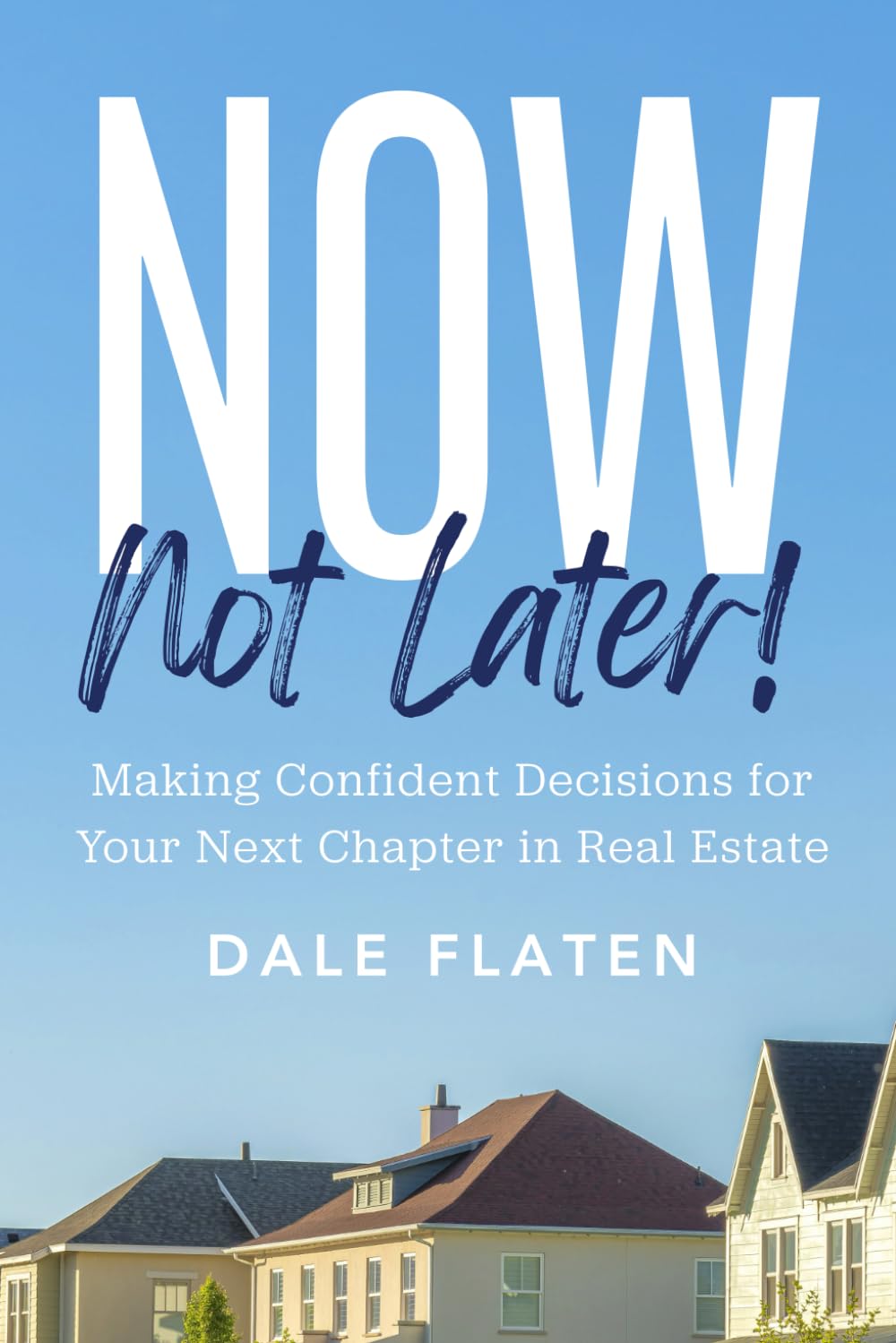
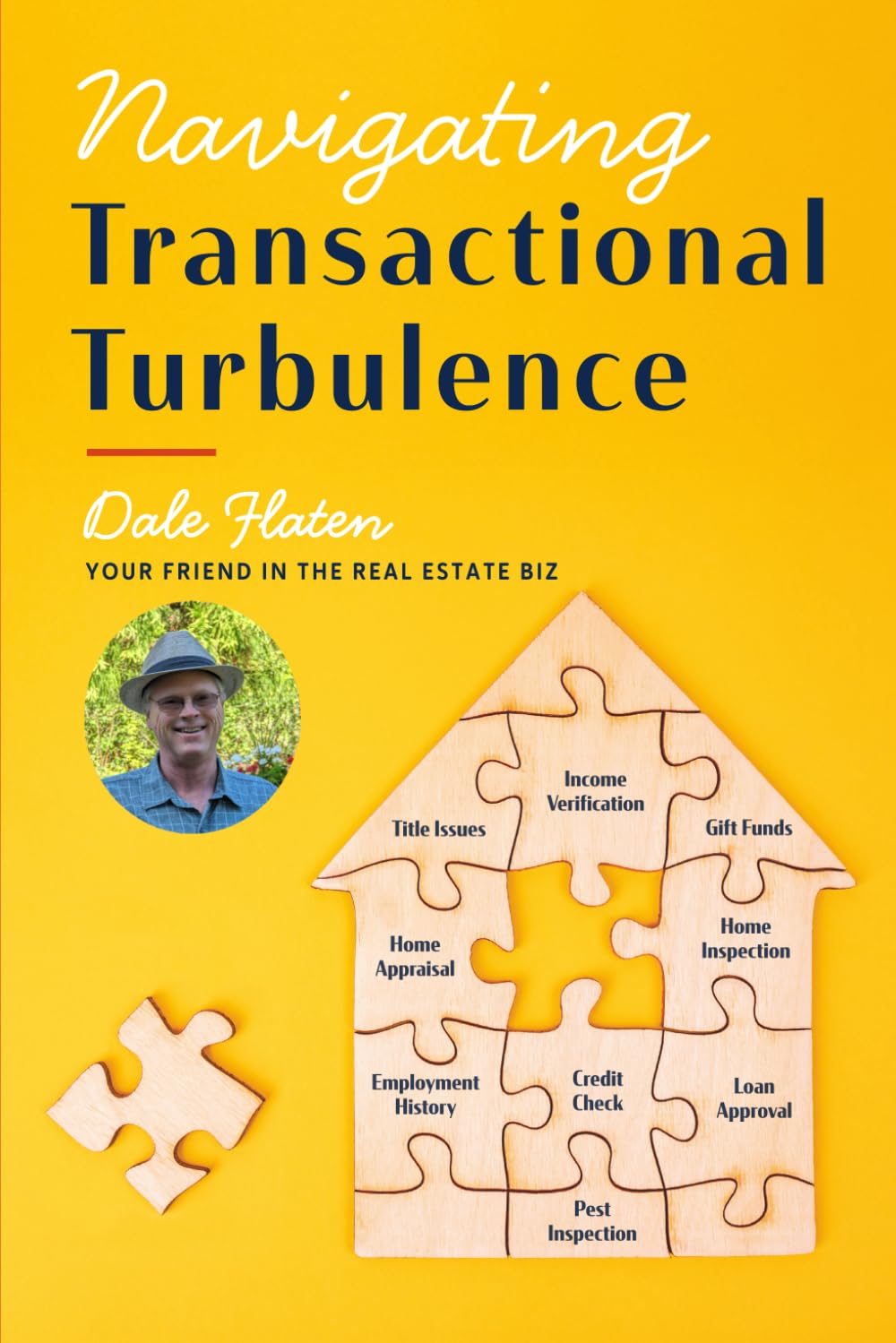
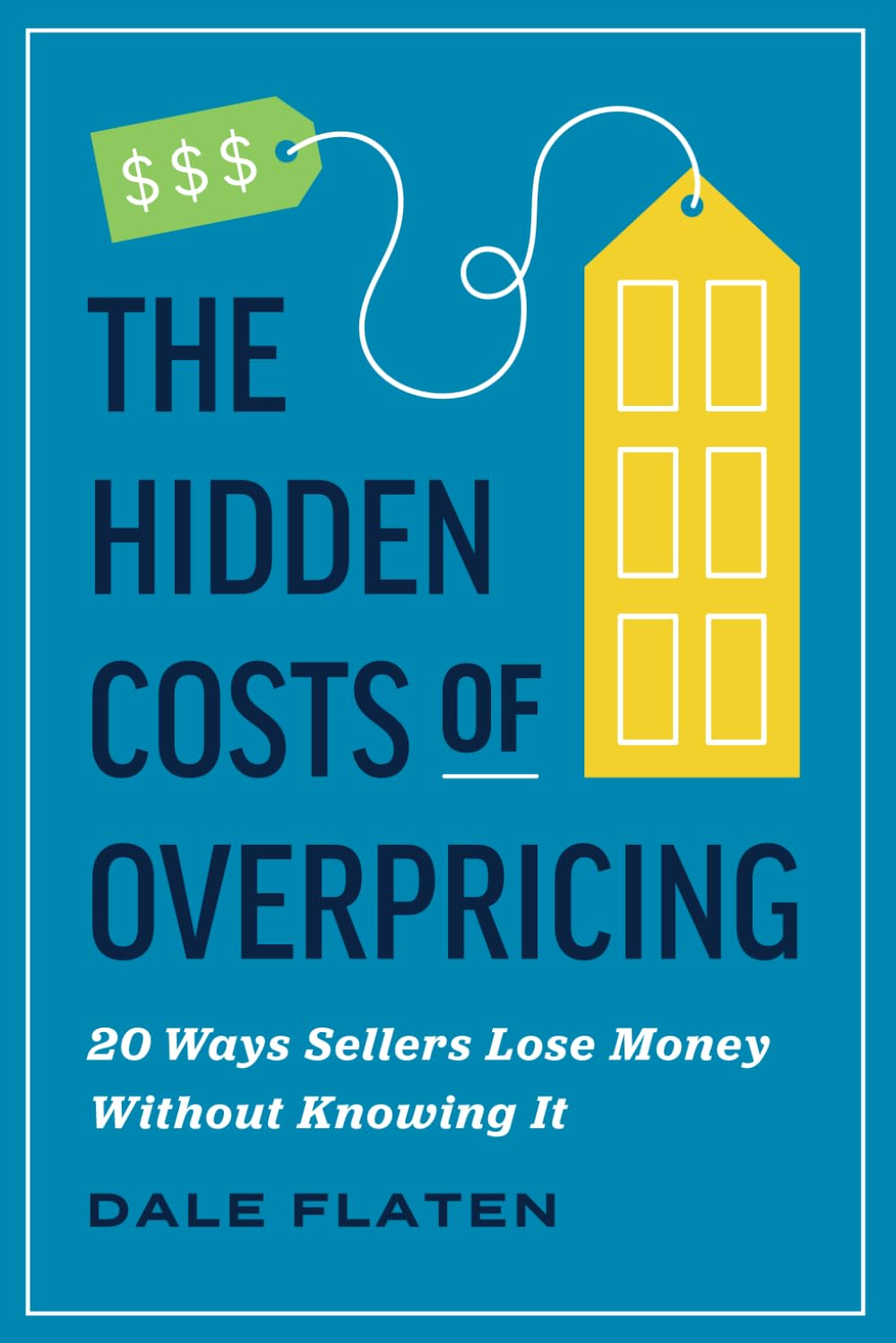

The Four Doors of Wealth is one chapter of a much larger body of work. Visit Dale's Authority Center for his full collection of books, local market knowledge, and resources for buyers, sellers, and investors across the South Puget Sound.
Visit the Authority CenterWhether you're ready to buy your first home in the South Puget Sound, exploring investment properties, or just want to discuss the Four Doors framework, reach out directly. Dale responds personally.